How Operations and Strong Leadership Define Success in iGaming

What does operational efficiency and capable management in iGaming actually look like?
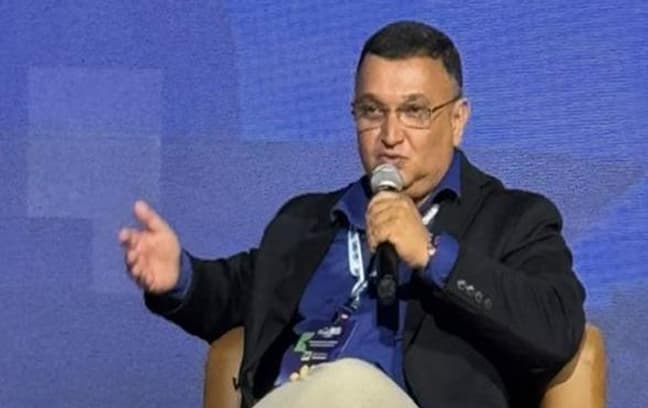
In a recent 18Peaches podcast, Lusia Barseghyan, Co-Founder and COO at Oddsgate, shared insights from over fourteen years in the industry, offering a clear perspective on how structure, adaptability, and a people-first approach come together to drive success in one of its most demanding environments.
The reality of leading operations in the iGaming industry is complex and demanding. It is built on sleepless nights and decisions made under pressure, demanding constant presence, a tolerance for chaos, and above all, the ability to maintain structure when the going gets tough.
Few understand this better than Lusia Barseghyan, Co-Founder and CCO at Oddsgate. In an insightful conversation with the 18Peaches podcast, Lusia shared the operational know-how she has gained over the 14 years of her career and offered an inside look into what it’s really like to lead and manage in the industry.
Operations is the heart of the business
From player experience to partner relationships, team management, processes, and crisis response, operations is what keeps the machine running. It’s usually the part of the business that rarely gets recognition - until something breaks.
“Operations is not about glamorous photos. It’s about sleepless nights. It’s about being constantly alert. It’s about not being able to put your phone down at family dinners or dinners with friends”, Lusia admits.
Speed without chaos
iGaming is a uniquely demanding industry, shaped by constantly shifting regulations, markets, and behaviors. In this environment, decision cycles are exceptionally fast, and a leader’s strength is defined by their ability to keep the team oriented when the ground shifts beneath them.
That said, success depends on striking a deliberate balance, with enough structure to ensure processes run reliably and enough flexibility for teams to adapt without losing momentum.
As Lusia puts it,“I like it when things move fast. But I genuinely can’t stand it when ‘fast’ means ‘messy’. Creating balance between processes and people is where I live. It shouldn’t be that way. I like when processes work for people, rather than people working for processes”.
Leadership is about people
One of the biggest misconceptions about leadership in operations is that the core work is technical or procedural. In practice, most of a leader’s time is spent with people, particularly in iGaming.
Teams are often multicultural, international, and composed of professionals from very different backgrounds. This creates richness, but it can also be a source of friction, which, if not actively managed, can undermine the performance of even the most technically brilliant team.
One thing that Lusia makes clear is that, in her perspective, people don’t need to like each other to work well together:
“The first thing I always tell a new team is: my primary goal is not to make you like each other. My goal is to make you respect each other. Because nothing works without respect. They can disagree. They can tell each other they’re angry, but only with respect”.
This is where presence matters. In operations, it’s not possible to lead from a distance. The team needs to feel that whoever is leading is available, engaged, and able to make real-time decisions.
A relationship-driven industry
More than most industries, iGaming runs on relationships. Business development, platform integrations, commercial partnerships, team performance: all of it is shaped by the quality of human connections.
And in operations, this dynamic is especially evident. For example, the relationship between a provider’s team and an operator’s platform can determine how actively the platform promotes a product. Poor communication between teams at different companies can slow down integrations that should take weeks.
“A lot of decisions, a lot of development, hinges on the relationships between people. If things don’t go right there, the motivation to move forward drops close to zero. Credibility travels quite fast, and so does the lack of it”, the COO warns.
Trust, once lost, is hard to rebuild, and for leaders, this means the work is never purely internal.
Advice for the next generation
AI and automation are reshaping what operations teams can do and how quickly they can do it. But the fundamentals of what makes a strong leader are not changing at the same pace.
The next generation of iGaming leaders will need to combine genuine technical and operational depth with the kind of human judgment and flexibility that no artificial tool can replicate.
“Be adaptable to change, but adaptable in a way that’s efficient”, Lusia underlines. “With that groundwork in place, you’ll have the knowledge and judgment to meet all the challenges that AI and technology bring to our lives every day”.
In other words, flexibility without direction isn’t enough. Strong foundations, both operational and human, enable leaders to respond effectively to whatever comes their way, right now or in ten years.
Operations and leadership aren’t easy paths. They demand resilience and clear thinking under pressure, but for those driven by the challenge, they offer the opportunity to make a meaningful impact every day.
Subscribe to our newsletter for more iGaming news and insights, directly in your inbox.