How the 2026 World Cup is Shaping up to be one of iGaming’s Biggest Opportunities

For iGaming operators, the Fifa World Cup 2026 represents the most concentrated window of commercial opportunity every four years. In 2026, with an expanded 48-team format, more matches, and a truly global audience, this edition is expected to generate volumes that will surpass anything that operators have experienced.
A different kind of World Cup
Every World Cup generates a spike. 2022’s edition alone is estimated to have attracted around $35 billion in wagers globally. But 2026 is being treated differently by those inside the industry. More teams means more markets, more simultaneous fixtures, and a much longer sustained window of engagement. Fans from nations that have never before reached this stage will be placing their first-ever bets. Casual observers will become weekly active users. The funnel, simply put, has never been this wide.
The real challenge for operators is whether they can capture that opportunity fully and hold onto it, or whether the influx of new players disappears the moment the final whistle blows.
Scalability is (or should be) architecture
The infrastructure conversation might not be the most glamorous, but it's the foundation on which everything else rests. At peak moments - opening fixtures, knockout rounds, simultaneous group-stage matches - traffic can multiply tenfold. Operators who treat that as something to react to will find themselves scrambling.
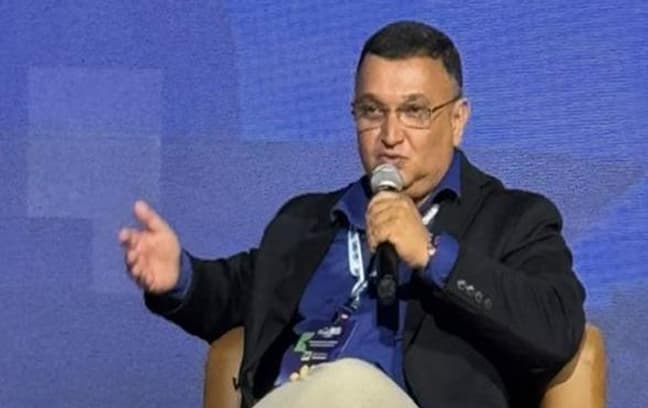
Speaking on RevPanda’s World Cup podcast series, Gabi Pitileac, CCO at Oddsgate, put it plainly:“Volumes multiply by 10x, and the bottleneck usually isn’t the frontend, it’s the transactional processing and the API calls to data providers. It’s about intelligent load sharing - helping operators prioritize fast-moving markets to ensure that even at peak loads, the user experience runs smoothly”.
Getting this right unlocks everything downstream. A seamless user experience during peak demand is itself a retention tool, because a player who places a bet without friction at 4 pm on a frantic matchday is far more likely to come back tomorrow.
Acquisition is easy, retention is the real game
Acquisition during a World Cup is, relatively speaking, the easy part. The harder and far more valuable challenge is retention. Historically, operators relying on generic post-tournament CRM approaches retain only 10-20% of newly acquired users after 80 days.
The solution is to embed retention thinking into the tournament strategy from the very first match, not as an afterthought once the trophy has been lifted. Every fixture is an opportunity to learn more about a new player: what markets they favor, when they tend to bet, and what cross-vertical content might resonate with them.
As Pitileac explained: “We use the tournament to identify clues about the player, and you must cross-sell, introduce them to crash games or live casino during half-time breaks. The goal is to move them from a World Cup bettor to an operator user before the trophy is even lifted”.
Gamification as the entertainment driver
The operators who will extract the most value from 2026 are the ones who make the experience of betting feel like participation in something bigger.
To work towards this goal, gamification is an essential tool. Leaderboards, prediction challenges, mission-based betting mechanics, and tournament-wide loyalty structures all serve the same goal: making the platform feel alive.
Pitileac describes the principle well: “We see leaderboards doing two main things: creating contextual engagement, where it isn’t just a list but a community with a sense of belonging and competition that goes beyond a single bet; and mission-based betting, where a challenge like ‘Place a bet on 3 different players to unlock a boost’ shows the depth of the sportsbook and turns betting into a journey with milestones. Betting is the transaction, gamification is the entertainment”.
What will World Cup betting look like in 2030?
Seizing the 2026 opportunity is the immediate priority, but the smartest operators are already thinking beyond it.
Drawing on Oddsgate’s GateTo2050 report, Gabi Pitileac offers a glimpse of where the experience might be headed: “Immersion, personalization, invisible UIs. The zero-UI experience - betting integrated into an AR environment where you’re watching the game on a surface and placing a bet with a gesture or a voice command. And hyper-personalized AI that knows your preferences well enough to show you the top three markets you’re most likely to enjoy. The 2030 World Cup will be something you watch and bet on simultaneously”.
And it’s not as far away as it may seem. The groundwork is being laid right now, making today as good a moment as any to start building towards it. The World Cup has always been the industry’s proving ground, and in 2026 - bigger and bolder than before - that has never been truer.
If you want to receive more insights and pieces like this on iGaming market strategy, trends, regulation, and much more straight to your inbox, make sure to subscribe to our newsletter.