From the World Cup to emerging markets: the operational lessons shaping regulated iGaming

Regulated betting markets rarely get a single, compressed moment that tests everything at once - infrastructure, compliance, liquidity, and player trust – in the space of a few weeks. The 2026 World Cup is bringing that challenge (and opportunity), and it’s leaving behind a clear map of what separates operators built to last from operators built for the short term, and how these lessons can be used as valuable insights to bolster operational efficiency in other markets.
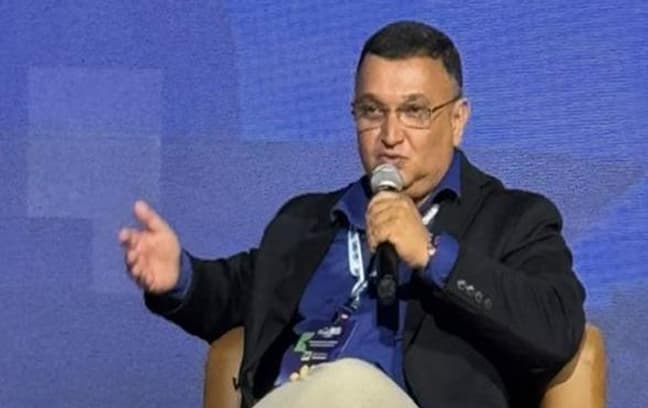
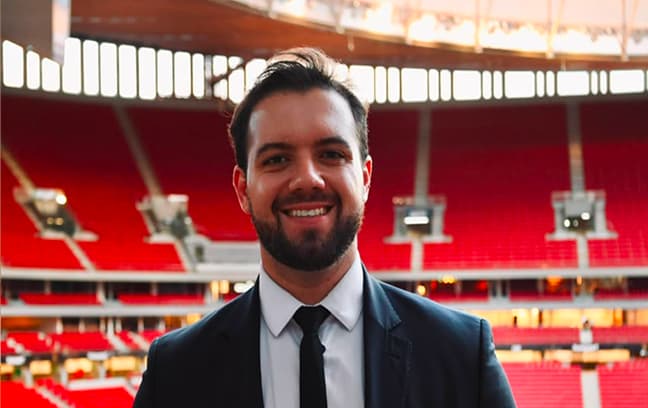
In a recent interview with BNL, Oddsgate’s CEO, Tiago Almeida, unpacked what the competition has revealed about the technical and commercial maturity of the Brazilian market - and what comes next, both in Brazil and in new regions like Mozambique and Angola - touching on infrastructure, regulation, margins, and international expansion.
The World Cup’s limit-testing nature
During the worldwide football frenzy, the behavioral pattern is incredibly specific. Simultaneous games, live betting concentrated in windows of seconds around goals, penalties, and VAR decisions, and deposits that track the game clock, including halftime and hydration breaks. The numbers from the tournament’s opening give a sense of scale: “(…) in the 24 hours leading up to the start of the tournament, verification providers processed more than 304,000 new users and approximately 1.2 million biometric authentications”, Almeida shared.
In the Brazilian reality, Pix added another layer of pressure by eliminating the payment-method friction that existed in the days of bank slips. With deposits concentrated in the pre-match and halftime windows, and withdrawals concentrated in the seconds after the final whistle, operators must be on their A-game. For those without network scale or properly sized proprietary technology, the risk is immediate. That is why PSP redundancy with automatic failover, liquidity sizing aligned with trading exposure, and end-to-end monitoring are essential to keep the operation standing.
Certification is no longer optional
The transition period for reduced software certification requirements ended on June 30, and there's already a precedent for what happens next: in April 2025, SPA/MF Ordinance No. 787 suspended companies' authorizations for failing to submit required certifications. Operators who reached the end of June without full certification are exposed to a severe sanctions regime - fines ranging from 0.1% to 20% of GGR, potentially reaching R$2 billion, plus domain and payment blocking.
There's also a less-discussed factor: the capacity of the certification labs themselves. Operators who left certification until the last minute ended up competing for the same testing windows with the same recognized entities, right in the middle of the tournament's peak pressure.
Retention: the illegal market remains the main competitor
With estimates suggesting 41% to 51% of betting volume in Brazil still flows through illegal sites - a share that tends to grow during events like the World Cup - retaining players in the regulated environment comes down to three very concrete factors: fast withdrawal approval, uptime during matches, and onboarding with facial verification that takes seconds.
"Players forgive almost everything except the platform going down", says Tiago Almeida. He adds that regulatory focus should be on those operating illegally, not on those using illegal services - a reading reinforced by Decree No. 13.033/2026, which authorizes the immediate blocking of accounts belonging to irregular operators.
Margins under pressure
With an estimated tax burden of 35% to 42% of GGR, licensed operators are entering the second half of the year with tighter margins than ever.
Tiago Almeida’s response for partners runs along three lines: steering product toward verticals and markets with structurally better margins and more automated trading; automating manual risk, payment, and support processes to recover margin without touching the player experience; and rigorously combating bonus fraud and promotional abuse - described as "a silent bleed" that, for many operators, outweighs any marketing optimization.
Strong compliance capabilities have also become a prerequisite from day one. Beyond regulatory oversight, banks and payment providers now actively enforce KYC and AML requirements.
The conclusion is that the operator that survives a 40%+ tax burden is the one that knows its unit economics down to the cent.
After the World Cup: turning inflated CAC into LTV
The biggest lesson we can take from the World Cup is economic. During the tournament, the entire market competed for the same bettor on the same channels, against an illegal market that pays no taxes and follows no advertising rules. According to research from Creditas and Opinion Box, 56% of Brazilians considered betting during the tournament, rising to 70% among 18-24 year-olds - an entire generation of new bettors acquired at World Cup-level cost.
The challenge now is not letting that base go cold. Operators who treated the tournament as a one-off revenue stream turned it into a marketing loss. What determines the second half of the year is converting that inflated CAC into LTV built through the Brasileirão, the Libertadores, and casino cross-sell, not just by waiting for the next major sporting event.
Africa as the next chapter
Tiago Almeida also shared the company's expansion plan on the African continent. Oddsgate already operates in Mozambique, a market that confirms the mobile-first thesis: around 23 million e-money subscribers across M-Pesa, e-Mola, and mKesh mirror, at a local scale, the same phenomenon Pix created in Brazil, with the difference that in Mozambique, mobile money arrived before banking did. The local regulator, the Inspecção Geral de Jogos, identifies 34 licensed operators, of which roughly 20 are active, and the tax regime was updated in June 2025.
The next destination is Angola, where the new Gaming Activity Law (Law No. 17/24) modernized the regulatory framework under ISJ supervision, expanding licensing to cover online gaming and multi-channel betting. For Almeida, the parallel with Brazil is direct: between 2024 and 2026, Angola is walking the same path Brazil walked between 2023 and 2025, moving from a fragmented framework to a regime that formally recognizes digital and multi-channel gaming.
"We’ve seen this film - we lived it in Brazil from the public consultations onward”, he says, noting that operators who enter regulated from day one build a position that latecomers never recover.
Want to go deeper on the payments, acquisition, and retention challenges the World Cup presents? Watch Oddsgate’s full webinar about the biggest sports event in the world and its impact on iGaming with industry insiders here.